
Tyrant-Poem
I
We will shake our bodies like animals abandoned in the forest,
and the moon will sing lullabies for the
dead;
the dead who were mine and did not know how to die peaceful deaths;
and the hour will come,
and it will carry away in colorful shrouds
the faces of the barbarians;
we will stand tall
but at what cost?
at what cost
will we survive their cruelty?
If the poem with which I drive my hand into this land
does not serve to withstand their assaults
then it is not a poem.
If the poem with which you drive your hand into this land
does not withstand, rewrite it.
If the poem is there
between its jaws, the earth will rise again;
between its jaws, executioners and traitors will die.
II
We must seek the country that lies
between the ledges, even if what we find is not the same.
We are already in the final lines
and we have not even honored the poem
that roars behind the mountains.
Listen to me well:
Beware of the poem that emerges
from its hidden zone,
it will come like tyrants fall:
without warning
and eager
to kill.
The Beasts
I believe our differences
relate to our
temperament.
There are certain registers that you don’t understand.
Between your windows
I see the object
but not my eyes
working together
calibrating the angles.
I release my words
and I know what I say
but not
what you receive,
and your silence
always
with marks of candles
on the floor,
where we crafted
the rites
thinking
—with fear of saying it
out loud—
that the gods
had been generous
with us.
And among so many spaces
we remain absolved
of myths
and cruelties.
What have I done with you
except discuss the girl I was?
And there were days of immense
awakenings
where,
amid misfortunes
I shaped the poem,
that alchemy
that survives
the rain,
the steps,
the revolutions.
I have built others
but none exercises
the silence
like you do,
none holds
in their wombs
the beasts
that saw me grow.
Not us
To Jeanette Vizguerra
If we cannot make poetry a cry
let us clench our fists
and search beneath the earth
for the mirror that shows us
the most fleeting truth;
we are all the same,
connected by tiny threads
that never break.
Politics is also
to amplify language
against the despot.
Language,
which does not speak for itself
but designates others.
Let us name
things as they are
so that the executioners
do not render us mute.
They expected us to bow down
before the oppressor,
but we poets
raised our hands
and gathered the daughters of others
in our arms.
We come with sharpened tongues,
carrying the truth and the word
in our pockets.
What do they carry
in their mouths of salt?
Others will tremble,
not us.
Others will fall,
not us:
We
who exist,
demand our own
possibility
to seek justice
not only for the dignity of life,
but also for its tears.
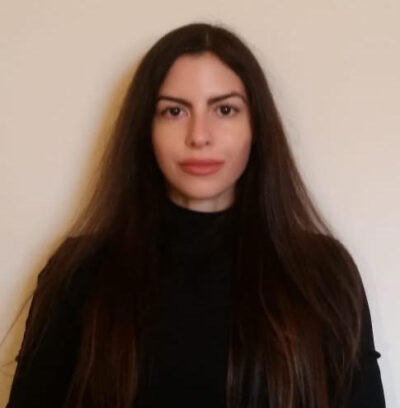
Carlota Roby is a human rights attorney graduated from Harvard Law School and co-founder of the Vocales Verticales project. She is also a poet and a cat lover. Originally from Venezuela, she resides in Washington D.C. She has published the poetry collections Las Manos de los Muertos (2013); Suburban Tales (2019); and Lilith (2024). Her poems also appear in the anthology Acaso esta atrocidad es el centro de todo (2015) and in the magazines DAFY, Ámsterdam Sur, and 2025 Latino Book Review. Lilith is now available, published by the Chilean publishing house Editorial Tintapujo, in both English and Spanish.
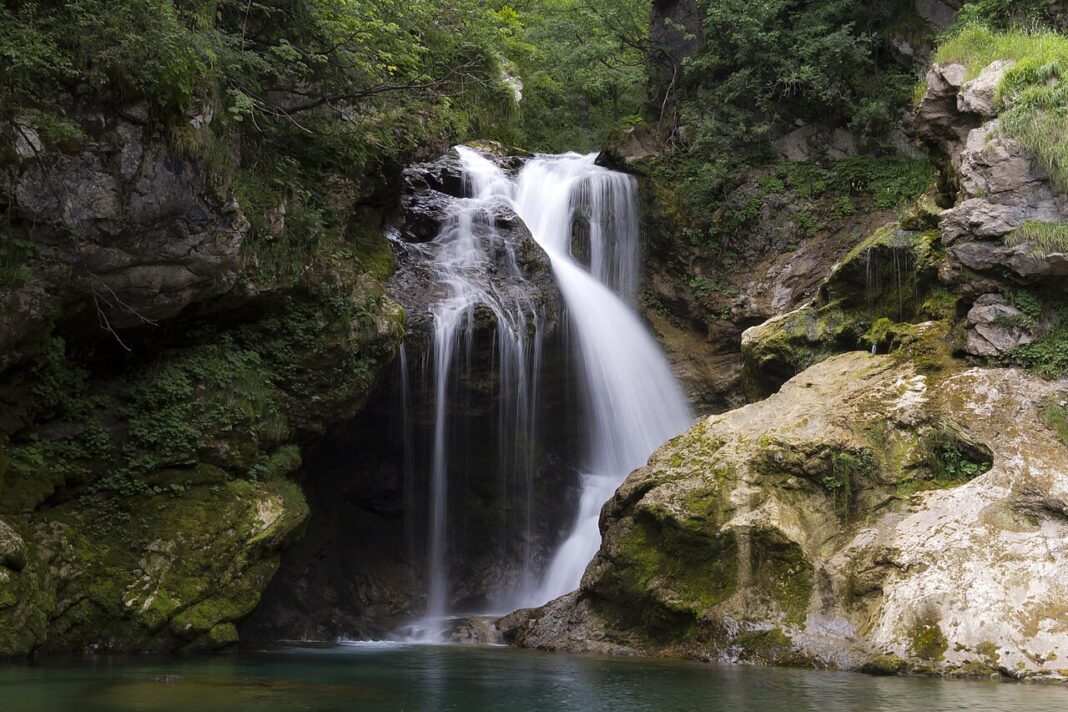
Featured Image: Waterfall, Vintgar Gorge. Slovenia by Luke Price under Creative Commons Attribution 2.0 Generic license.