

Crownsville Asylum
Trained as pups to smell
human remains, with samples
of tissue, then bones, they
practice in small cemeteries,
private plots, then move on
to abandoned land where people
might be buried. In Crownsville,
where hundreds, if not thousands
of Black people lie in unmarked
graves, they catch a scent, locate
a spot, do a kind of two-step dance
and lie down upon the grave.
In Crownsville, dogs keep finding
grounds to do their dance.
The End of an Era
When the duke of dark corners
observes from his castle villagers
processing his way with flaming
torches in their hands he grows
concerned, the days of pouring
scalding oil on steel-helmeted
besiegers may well be over,
last draught the moat dried up
and the frogs stopped tuning up
their orchestra. Not only does
he have long bows and arrows
in the keep, but also blunderbusses
provided he can scavenge up
a few loyal lieges to fire them.
What’s he done to deserve this?
He’s not some blood-sucking
Dracula after all, sure he pays
his maids and ground keepers
minimum wage like all the other
castle owners he socializes with
in the shire. That is simply
what’s done, how things have
always been done, until those
ungrateful peasants ignited
those damn torches.
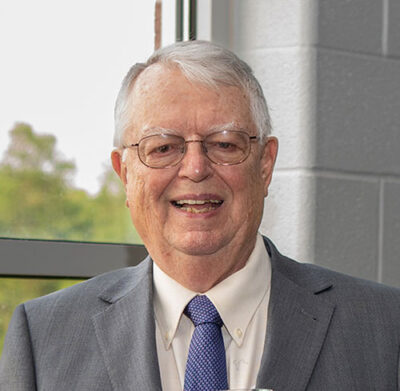
William Heath has published five poetry books: The Walking Man, Steel
Valley Elegy, Going Places, Alms for Oblivion, Prime Time; three
chapbooks: Night Moves in Ohio, Leaving Seville, and Inventing the
Americas; three novels: The Children Bob Moses Led (winner of the
Hackney Award), Devil Dancer, and Blacksnake’s Path; a work of history, William Wells and the Struggle for the Old Northwest (winner of two Spur
Awards and the Oliver Hazard Perry Award); and a collection of interviews,
Conversations with Robert Stone. He received a Lifetime Achievement
Award from Hiram College. He lives in Annapolis.
www.williamheathbooks.com
Featured image “Search and Rescue Dog, Austrian Red Cross Perchtoldsdorf” Photographed and uploaded by Aciarium to be licensed via creative commons 2.0 via Wikimedia Commons.