2 teens in sundresses pushing a stolen shopping cart into the Bow River
time’s a runny egg yolk
always on brown toast
honey & oats
medieval peasant teachings made fancy-like
nourishment begins with the mind at rest
sit on a riverbank
watch untied laces trace picasso’s nudes in the dirt
an ant duets with a black beetle carcass
wrapped around a cigarette butt
late afternoon dressed up like early morning
there’s no safeway or sobeys nearby
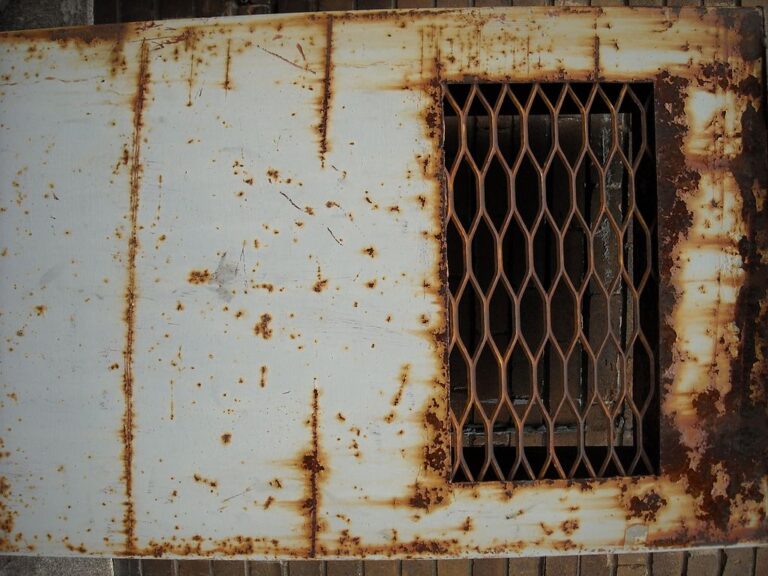
contemplating universal mysteries such as: – does a poached egg taste better on rye? – where did they get that shopping cart? – where will the rust lead them to rest? – of all the trees, why do the magpies perch on the logo’d handlebars peeking out from
the pebbley shallows?
Calum Robertson is a part-time book reader, full-time tea-drinker, riverbank daydreamer from Calgary, Canada. Their work has been previously featured in Tofu Ink Arts Press and deathcap (by Coven Editions). They hope to be reincarnated as a dove, next time around.
Image by Georges Grondin, Public domain, via Wikimedia Commons
Dust weighs down the room giving an unfocused appearance, yet somehow adding emphasis to the few items that remain: the soft table in front of the window edges worn down and rounded lit by the paleness of dawn’s indirect light
the square stool pulled out at an angle grain of wood on its seat rubbed smooth but defiantly standing
the small box, once darkly stained at the far corner with lid left open a pair of stunted, sharp scissors and a spool of black denier thread – strong, flat, smooth, lightly waxed – nearly gone – as the only inhabitants
and the tired black feathers of a fly at the table’s center – thin, chenille body gold ribbing, woolly hackle fluffy marabou tail coated with a graying layer of dust
Dust weighs down the room filling the atmosphere, but somehow adding to the emptiness I reach out, hand hovering above the fly then down over the stool, but – I halt. I wish to trace that grain still standing strong like I would the veins on the back of your hand the ones that ran up into your forearms, but – I look to the door and see my footsteps across the floorboards displaced dust in the indirect light of dawn: already too much disruption. Smiling to myself clasping my hands behind bent back I whisper his name then walk away. Everything here fades settled in the gray.
A Living Coffin
Have you ever awakened in a bed of moss? You tend to sink down during the night about six inches stalks of green sponge compressed but filling the space along your curves The spiders like to cast their nets of silk above you, over you keeping you safe from any falling stars And best of all, there are drops of dew resting on your eyelashes and they run down your cheek when you first blink. Just remember: they don’t have to be tears of sadness and you can lie there as long as you need.
At That Point
You are at that point: “A moment that changes all moments that follow.” You face a door painted into brick wall in an alleyway. But on the other side is not the room that rests behind the brick. Instead: a void blackness of a cavern of unknown depth.
You were once told by a ghost her lips in your hair words tickling your ear, that “It is love that resurrects life from death.” Chills down your spine toes numb, you lean forward raise your arm finger tips touch cool, wet black paint: a door. In your ear now again her whisper “Leave us here. Turn your head to the living.”
Your hair caught between her lips pulls away then falls back released.
Her breath no longer in your ear her whispers receding back to memory. Fingers seemingly stuck draw back leave the painted wall – fall taking your hand heavy down
to your side so heavy it brings you to your knees broken alleyway glass piercing through your jeans. The paint of the door: as wet as the eyes you now cover push against with heels of trembling hands.
When next you look tears spent only the bricks remain.
You are at that point: “A moment that changes all moments that follow.” You are at that point: shapeless space between the beginning of a story and knowing that a new story has begun. You are at that point, so close your eyes and turn your face to the sky.
Walk It Off
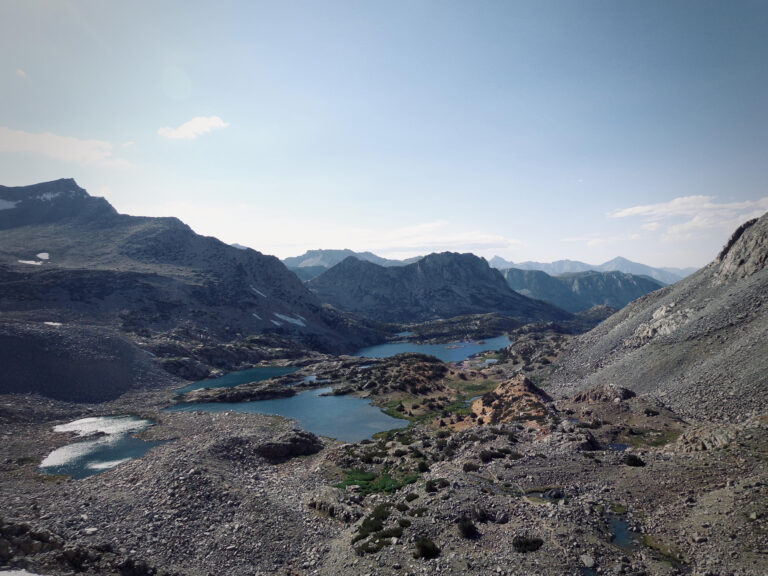
These mountains could rim the world. Walk it off under the varied light of the unattainable
Day, night, twilight, dusk, dawn: each brings its own emotion each emotion feeding the others adding fuel through confusion until its power overwhelms
Walk it off in these mountains balancing on the edges of knives walk down those blades: the only choice because you put yourself here in doubt in hate in anger
But life is too full of regret so why add your own destruction?
Why not listen to the rocks? They’ve been sitting in never-ending meditation attempting to understand the caress of the clouds
ask them how to fill a lifetime with the feeling of fluttering wings and wind brushing against their cheek
ask them how to make it disappear like the diaphanous face of daylight’s moon fading into the scattered clouds of a melancholy morning
We are only what the world makes us so walk it off. Carry on.
Chris Biles currently lives and works in Washington D.C. She enjoys playing with the light and the dark, and losing herself in music, anything outside, and some words here and there. Published by Exeter Publishing, Haunted Waters Press, Yellow Arrow Publishing, and FleasOnTheDog, find her at www.chrisbiles03.com / Instagram: @marks.in.the.sand
Crisis Economics in Three Parts I. Supply and demand. You have learned there are two things in supply and three in demand. You walk to the market with only your adolescent body and a locked front door. You ask the salesman whether he stocks safety, compassion, or at least a birthday cake. Supply is low. Demand is high. You cannot afford this. You wish that pocket lint and welts operated as currency.
II. Prices depend on preferences. But sometimes gold and pyrite look the same to the unfocused eye. A miner sifts you out of the river and holds you to the light. You do not know whether you are gold or pyrite – all you know is that this man’s eyes eat at your glimmer. But this hand feels more comforting than the rush of drowning. Yes, even if these eyes judge you, even if this hand pockets you for later.
III. Information is a resource. Was it the first drink he threw in your face? Or was it the first time you spilt a drink and didn’t profusely apologize to the imagined raised hands and voices? That bystander who intervened – did he teach you that men too, could show compassion? When did you learn how fools handled gold? When did you learn the agency of your supply and the power of your demand? Can you put a value on the knowledge that safety and happiness could be yours to hold? Is that how you escaped it all?
Ruminations
It is 1:40am. A brain can knit threads together all evening, Weaving cashmere thoughts, wool images, strings of consciousness. I will crochet sweaters from the lonely night air when… My mind is on loop.
It is 2:33am. A brain can plan layouts of a hundred arboretums: Here is where we grow hawthorn hands, willow words, bamboo breath. But planning and planting good intentions are different things when… My mind is on loop.
It is 4:15am. A brain can shuffle among the spirits of moments Sit among the conversation graves, dignity coffins, anger burials. Every night I rebuild this cemetery to honor these memories when… My mind is on loop.
Appalachian Spine
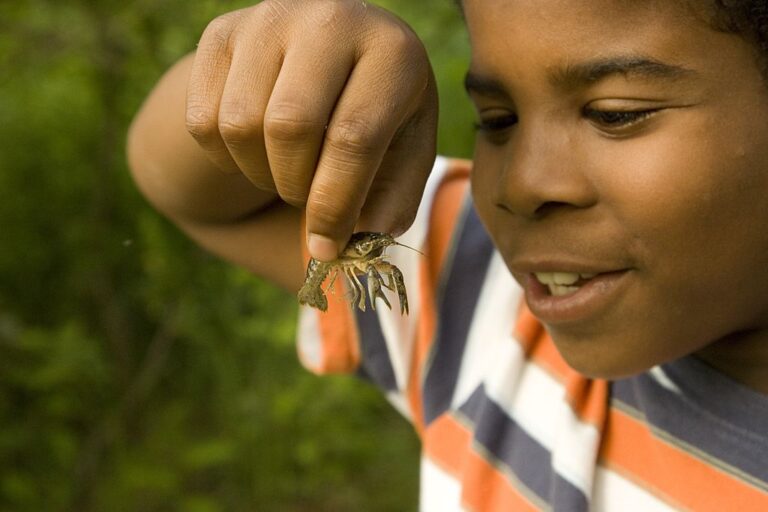
My brother once pulled a crawfish From the stream. He held it in his Hands, gave it a name, and kept in in a Tank outside – but it froze that night.
I hear the echoes of the South. My birthplace, the stage for my becoming. I owe Appalachia for my grits, my spine, My gift for comforting others.
But I know about the words carved on trees Marking the purest form of destructive love. I know for whom the church bells ring. I know the clay is red for two reasons.
Can a crawfish survive an overnight freeze? Should we have let the water thaw before discarding the tiny body in the morning? Or was this death unrecoverable?
Unlearning is an act of self-love. But I understand hesitation to turn the pickaxe on your own foundation. To let yourself thaw and see…
Schrödinger tell me… Do you cut away the roots that drank poison instead of love. Drank poison and love? Dead or alive – are you unfrozen?
I see dead crawfish when I think some things are better left alone. But what if there was a chance? There is still unlearning to do.
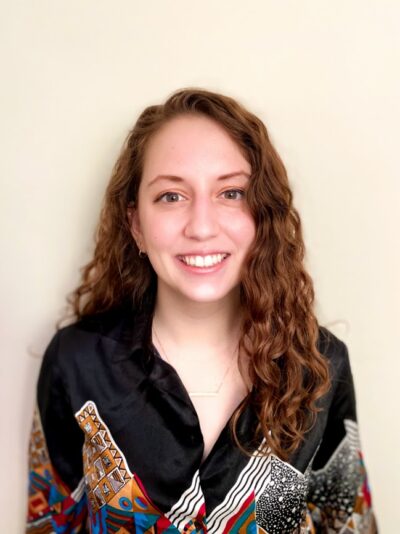
Briana G. Craig (she/her/hers) is a researcher who moonlights as a writer of stories, poetry, and plays. She prefers to write about the experiences of women and recently published an all-female one-act play titled, Purple Ink (Pioneer Drama, 2020). She credits caffeine and her cat, Navi, as her main sources of inspiration.
Maggie Bowyer (they/them/theirs) is a poet and the author of The Whole Story (Margaret Bowyer, 2020) and When I Bleed: Poems about Endometriosis (2021). They are a blogger and essayist with a focus on Endometriosis and chronic pain. They have been featured in Germ Magazine, Detour Ahead, Poetry 365, and others. They were the Editor-in-Chief of The Lariat Newspaper, a quarter-finalist in Brave New Voices 2016, and were a Marilyn Miller Poet Laureate.
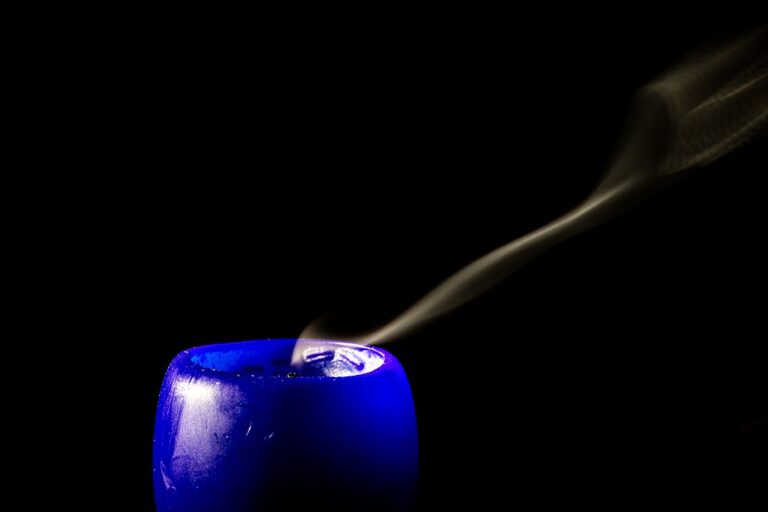
Image by Dietmar Rabich / Wikimedia Commons / “Kerze — 2021 — 5491” / CC BY-SA 4.0