Home Blog Page 97

Awareness: Three Variations on a Theme by Cliff Bernier

0

Imagining

Imagine light unpeeling
like appleskin,
or a cloud of crows
circling,
from a woodland pond
reflecting
trees above
regarding me with wonder,
imagining me.

Awakening

See morning unpeel
like an orange,
loop the merry-
go-round sun and
once
again
churn me
to butter,
spread me thick
on baguette
like marmalade.
See light plink
a backyard pond
in horizons,
swing
and swoop me
like fin-flash
to the moon.
And see my cup
drip with jelly,
toys
toast and figs
sprung
by awakening.

Knowing

Watch days peel off
like grapes,
green as gum
sweet as wine
swift in twilight
twisting
like wings
tableau of stem
branch
and skin
plucking bunches,
knowing me.

Clifford Bernier is the author of three poetry collections; he has been nominated for two Pushcart Prizes and his book The Silent Art won the Gival Press Poetry Award. He appears on harmonica in the Accumulated Dust world music series and is featured on the EP Post-Columbian America. A member of the Washington Writers Collection, he has featured on NPR’s The Poet and the Poem from the Library of Congress and lives in Alexandria, Virginia.


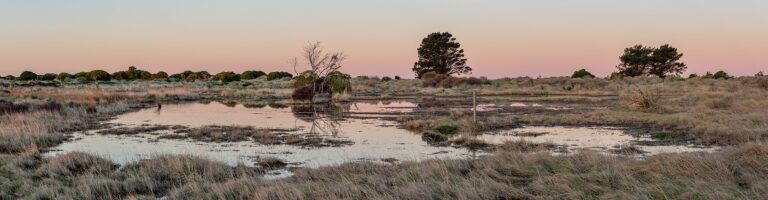
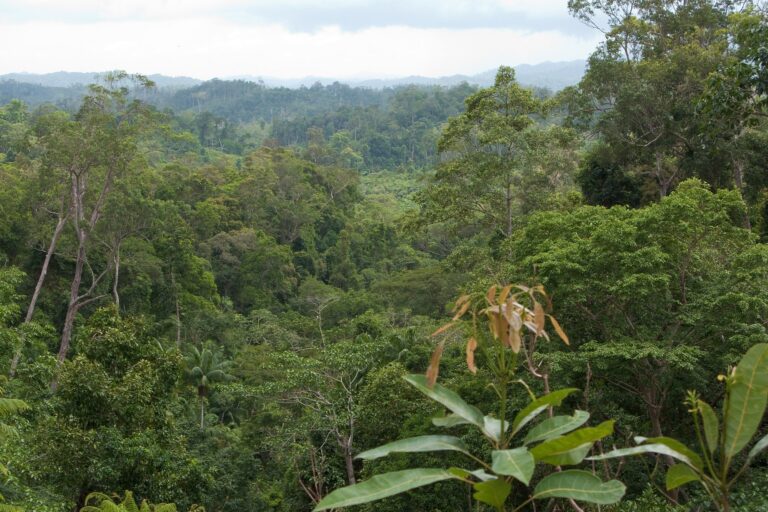
Image by Joe Mabel, CC BY-SA 4.0 <https://creativecommons.org/licenses/by-sa/4.0>, via Wikimedia Commons

Four Poems by Gregory McGreevey

0

Lightning Bugs

Branched bogs, a curiously quiet
afternoon, rapt, mad with heat.
We keep throwing rocks, despite
the moans, the pleas,
still,
after cursing turns to begging,
until
lightning bugs dot the darkness
and
frogs quiver
and
call out.

Last time the stream ran too
high and alliances were laid bare,
our sinew fraying
in time, tethers becoming water, accepting
consequence, asking questions into the
silent night.

And so, it felt right to heave, to
rebel against the soil itself, to
forget what we had learned.

Being the stagnant water or the
thousands of humming mosquitos flying
weakly to wherever the wind pushed,
we found ourselves no longer able to
return home, we
having forgotten the language of parades
and roadways,
there being something about the grey clay
of eroding riverbanks
that cannot be translated.

Until now this much was obvious, that
the rules never changed,
that we had never left the woods,
never would.

Clink

Carry with you a thousand miles of rusted fence.
Slurry upland and rest
by the prickly
holly nest
grazing on the leeward
of changing hills’
dwindling roots.

It’s shadow, memory,
as shadows are
hiding the face
, avoiding stepdads,
metallic clink,
fork on plate,
amplified in quiet rooms.
In lucid daydreams

the dirty water
fills the potholes
every winter, we
embrace like a
Goodnight kiss, saying,
Does it mean anything if
cows are happy

when the veiny storm clouds
settle above in bulbous purple
expanse,
when this town’s muddy ditches
are just one year
deeper?

Dawn

Many nights, having squeezed
the mud between our fingers, having
spit starry streams toward the constellations,
we asked that Eos would halt
her arc, the amber pestilence
stretched in rusty chrome
across the horizon, we, having
bit off more than we could chew, having
our jaws eat up the frozen marsh
under oil-speckled ice, wishing
to reunite with time,
beatitude delayed,
our gathering echoes,
we,
Odysseus & Penelope standing among the broken
reeds illuminated in neon,
the river below us
bloated with aluminum cans.

Milieu

We make do with brackish tributaries,
rusty crab cages sloshing through
the thick grey chop, or…

The alluvial plane is silent, a
semi-aquatic meadow on the cusp
of billowing smoke and the apparatus of
industrial revolution decay.
An ornament hung on humid reveries we manifest
among sagging willows.

When mud is your milieu, the
nostalgia is warmer, it has
other connotations, as if we
had the luxury to
choose.

Upstream, furnaces burn,
whole economies built on
sweat and Sunday mass.
We hear differently and speak
secretly.
When the shadows that separate
work from worship embrace
our faces.


Gregory McGreevy lives and writes poetry in Baltimore, Maryland. His work has previously been featured in West Trade Review, The Finger Literary Journal, Bourgeon Online, and The Northern Virginia Review, among others.

Image by Michal Klajban, CC BY-SA 4.0 <https://creativecommons.org/licenses/by-sa/4.0>, via Wikimedia Commons
Two Poems by Chris Biles

0

Etched

protected
and unprotected
parts
make the whole
make the art

pour on the acid
the chemicals
feel the burn
feel the boiling consumption
depletion
destruction

or just watch it

from beneath the quiet balm
of secrecy and lies

protected and unprotected
parts
make up the whole

of the individual
or
on the macro scale:

protected
and unprotected
parts
make the whole
make the art

pour on the acid
the chemicals
feel the burn
feel the boiling consumption
depletion
destruction

or just watch it

from beneath the quiet balm
of privilege

Crossing the Circle

Searching for some worthy memories
a round white man
red in the face from the sun
from the exertion of walking
roomy shorts pulled up over his belly
legs stretching from the two tents
down to tall ribbed socks
emerging from oversized Velcro-ed shoes
Santa Claus on vacation
he leans back
points his fancy camera
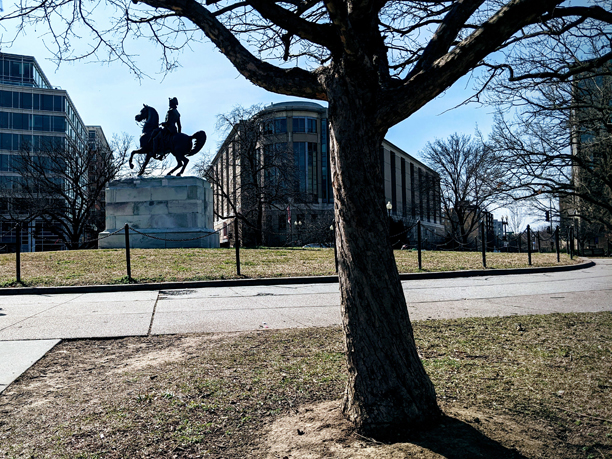
at the fearless face of Washington
sitting atop his horse
sword outstretched
pointed
-click-
-click-
on to the next.

McDonald’s cup in hand
slightly crumpled but clean
bright white
with golden arches
“Can I get an egg and cheese
an egg and cheese?”
strained deep voice
blind eyes search
never find
but the finding is in
the other senses
like the taste
of an egg and cheese in the morning
a strawberry milkshake tomorrow.

Matted-haired to match
the fuzz of faux-fur white slippers
in an oversized jacket
of colors unworthy of remembrance
a small woman rocks back and forth
on a bench covered in pigeon poop
clutching her stomach
pain etched into her face
she leans over
spits onto the sidewalk
moves her wet lips
cursing
cursing
to herself
spit drips
she remains bent
eyes closed
rocking.

Unloading
only to reload
then unload again
a road bike with peeling
strips of duct tape along its length
faded
to a nebulous white
baggy clothing
and a baggy beard
jolting with his jaw
as the man with hollow eyes
tells himself
adamantly:
“one door closes,
but another will open”
again
again
again
“one door closes,
but another will open”
“one door closes,
but another will open”
“one door closes,
but another will open.”

Down the escalator
to the metro
running to
and from
I wonder
if it’s a waste of time
to think that walls
can open and close
as doors

Chris Biles currently lives and works in Washington, D.C. She enjoys playing with the light and the dark, and losing herself in music, anything outside, and some words here and there. Published by Neon Door, Bourgeon Online, Exeter Publishing, Evening Street Review, Haunted Waters Press, Yellow Arrow Publishing, Signatures Magazine, FleasOnTheDog, and others. You can find her at www.chrisbiles03.com / Instagram: @marks.in.the.sand


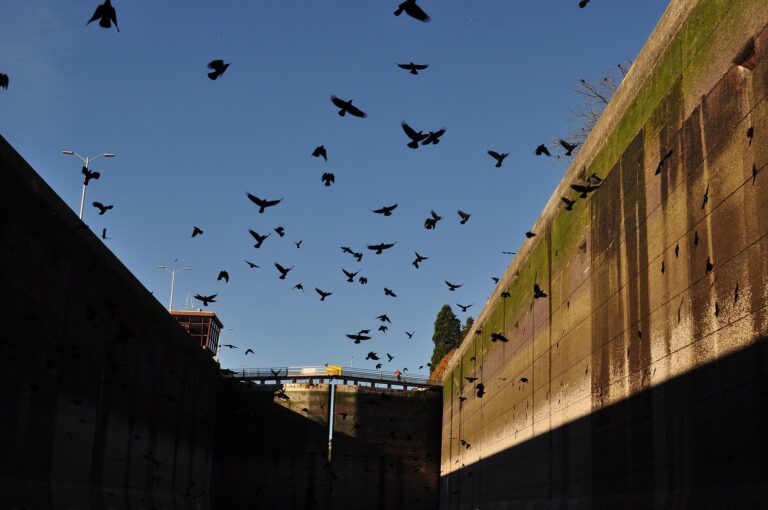
Image by Chris Biles, courtesy of the author.

Three Poems by Susan Mockler

0

Augury
after Relative by Sam Gilliam

The sky washes over me, enticing,
bursting open with orange and teal,

a cleansing becoming more vibrant
from west to east. Soft, like a cotton

scarf I’d drape lightly over my shoulders
on a cool night, its ends fluttering—free,

unfettered. I can smell the storm coming.
Sweet, musky earth. Metal taste burns

my lips. Sediment. A change, inevitable.
For some, eruptions—colors bleeding

together, blot of black, subduction.
For, others, swells of peach, turquoise,

lavender, a stroke of yellow, autumn rush,
perhaps. I enter the sky’s conversation.

Irises
(on the anniversary of my mother’s death)

One day,
brown leaves
patches of snow,

then, as if
from nowhere,
the first shoots

burst out
of winter’s
dusky coffin

blanketing the yard
in a rainbow
of color.

I cut purple
irises for you
today, place them

in a vase
on the mantle,
bundled

in delicate
lavender ribbon,
their sturdy

stalks propped
against each other
in the glass,

their sword-like
petals falling down,
opening.

Descansos

I pass the time counting
mile markers. US89, Big Sky,
Painted Desert to Zion:
three-hundred-twelve,
two-hundred-forty,
then white crosses
draped with plastic
flowers
appear
in the grass
along the highway.
Each cross
someone’s child.
I hold my breath.
A body remains
at rest unless that body
is in motion. The world
falls farther away
each day. Someone’s child
ejected, roaring
lifeless
through this Navajo land,
sediment of manganese
and iron; their blood
and hair and skin
leach into the
ground, claiming
a spot
as their own.

Descansos translates as “resting place” and commonly refers to the crosses erected at the site of a violent, unexpected death. Some consider the last spot the body touches before death to be sacred.

Susan Bucci Mockler’s poetry has appeared in the Maryland Literary Review, peachvelvet, Maximum Tilt, Pilgrimage Press, Crab Orchard Review, Poet Lore, The Northern Virginia Review, Gargoyle, The Delmarva Review, The Beltway Poetry Quarterly, The Cortland Review, The Paterson Literary Review, Lunch Ticket, Voices in Italian Americana, and several anthologies. She teaches writing in Virginia and DC.


Image by William L. Farr, CC BY-SA 4.0 <https://creativecommons.org/licenses/by-sa/4.0>, via Wikimedia Commons

Three Poems by Anant Dhavale

0

Crimson

What makes
tonight’s tropical wind so cold
I wonder how the trees will survive

Come and kill me, engulf me
in your wild currents
in you, I have heard, everything melts

You, the one who remains on my dreams
your beauty; like the dew atop a rose
your kisses, wet and full with a thousand dreams

This land of masons, of men and women
such simple and true; amongst them
I am but a lost cause

Love has sown its seeds; water and fire
smiles adorn mouths, full of hope
bodies, fresh with the drizzles of spring

Crimson, green and pale
what a vivid tale; a kind of a rare solstice
that hides everything, leaving a few colors behind

On understanding and other such myths

1.

There is a void

I try to fill

It’s impenetrable

I toil nonetheless

I attach it to people and things

equally in-vain

It is my Nessun dorma

a sleepless lament

Logic has failed me 

and religions have mislead me

mostly

I look at the old people

they look so calm

beyond the fading lines

maybe they weren’t what they are now.

2.

There’s fire and moon

from where it all began

to create the un-made

to annihilate the created

create

a voice said

and it all came to being

Reminiscences

linger

mountains, rivers, oceans

people

3.

Mithyaa

you see all of this,

you, me, this world

is a magnificent lie

said the poet

before he was pelted with stones

Smallest amongst the atoms

Expansive than the sky;*

some said he disappeared

some said he was dragged from a bridge

before being killed

Gods, they said, came down and took him along

unto the heavens

we believed them.

4.

The layer thickens

the songs we sing

the love we make

the sadness we feel

The pain that’s throbbing in my knee right now

All beyond a broken veil, the discernment

a mere illusion

brilliantly

ornate

* These two lines are a loose translation of a poem by Tukaram, a sixteenth century Marathi poet.


Civilizations

“You breathe, thanks to the phytoplanktons”

expounds a wise man

“April is the warmest month”

sighs another

But it doesn’t matter –

shadows

linger along the silent white wall

in an eternal stupor

a slow humming wind

drags along like a tired caravan

on this dry , drawn – out afternoon

parched by a lonely sun

A wind-chyme

makes a feeble effort –

twinkles the dust – laden remnants of leaves

a stillness is stirred

fading to the gray;

Civilizations

lie

cold and buried under.

Anant has been writing poetry since his late twenties. He attempts to explore the intricacies of the human mind and the cultural milieus that it breathes in through a conversational style of poetry. His poems seem to emanate from an urgent and pressing need to ‘word’ the abstract. He blogs at www.newagepoems.blogspot.com and has been publishing his poetry through numerous social media groups. Anant lives with his wife and son in Herndon, Virginia, and can be reached at anantdhavale@gmail.com.


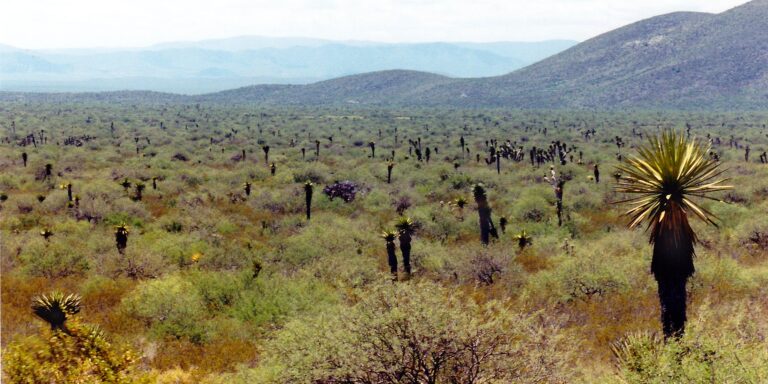
Image © Vyacheslav Argenberg / http://www.vascoplanet.com/, CC BY 4.0 <https://creativecommons.org/licenses/by/4.0>, via Wikimedia Commons